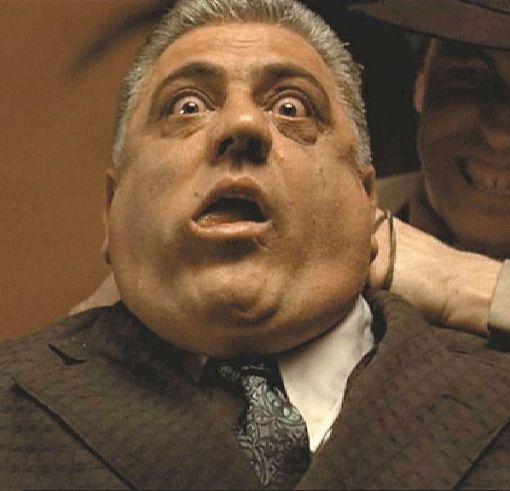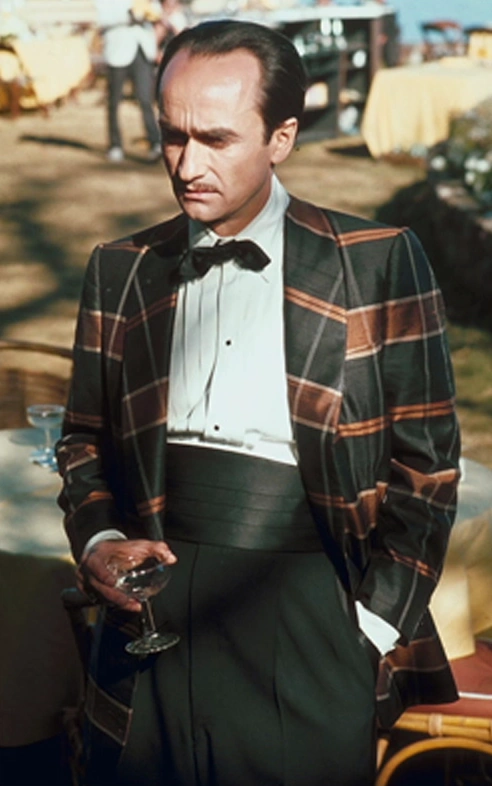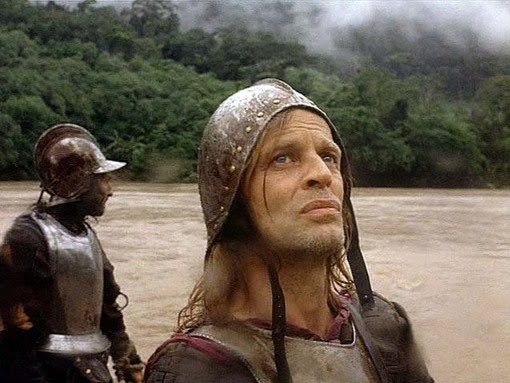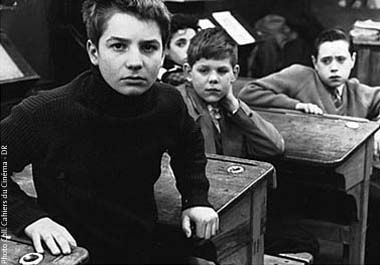
Showing posts sorted by relevance for query city of god. Sort by date Show all posts

Friday, September 13, 2013

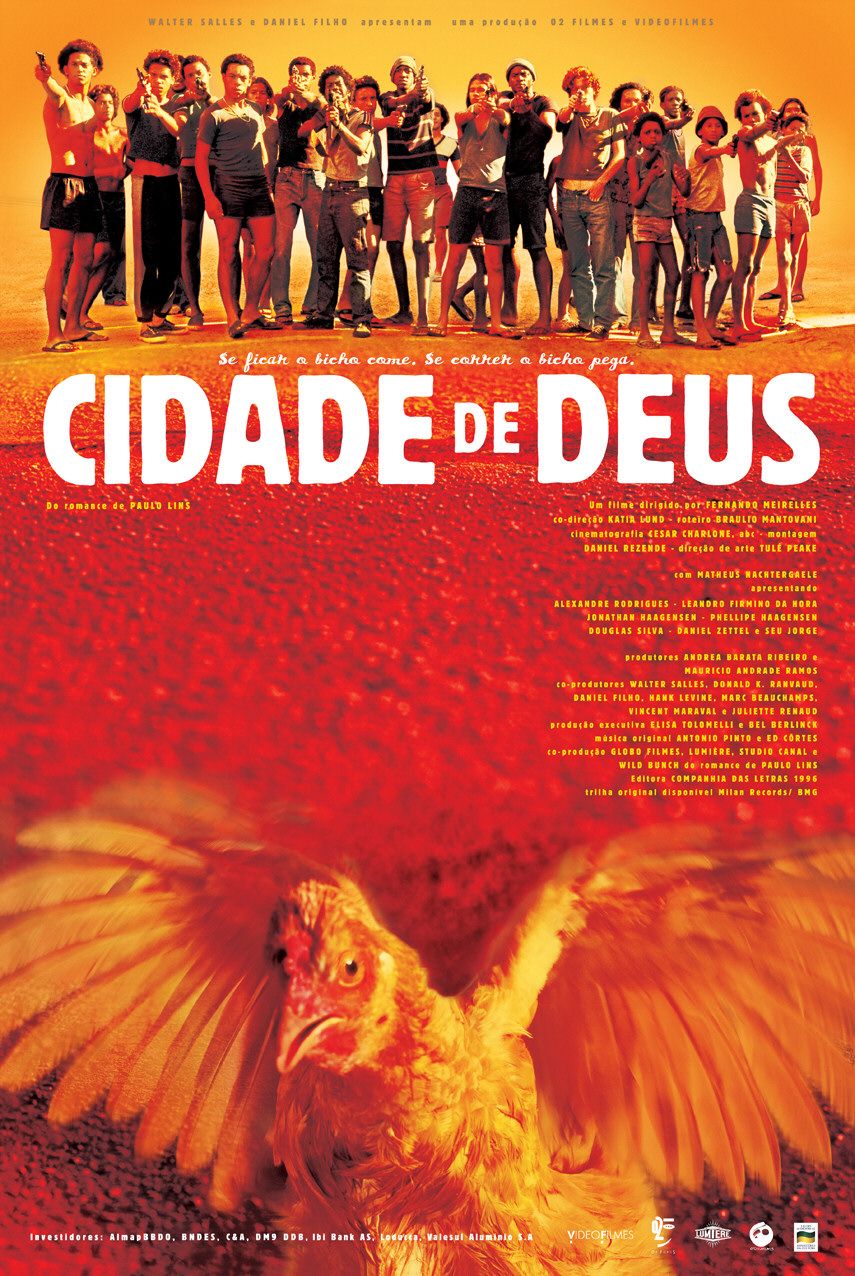
Film #102: City of God (2002)


Original Portuguese Language Title: Cidade de Deus

Directors: Katia Lund; Fernando Meirelles

Original Release Country: Brazil

Times Previously Seen: once (about eight years ago)

Rapid-Fire Summary

A couple of kids grow up in the slums of Rio de Janeiro. One wants to take photos; the other wants to be the ultimate gangster. Much sweating and pot-smoking throughout.

Extended Summary

Rio de Janeiro, Brazil, the 1960s. In government-built project housing outside of Rio de Janeiro, the impoverished of the region struggle to make a living. Among them are many restless youths, some of whom have resorted to crime. A particularly noted group, called the “Tender Trio,” are reasonably successful crooks, robbing gas trucks or any other valuables that they can steal from the wealthier class. A boy known as “Rocket”, the younger brother of the Trio member “Goose,” sees his brother and his companions rise to some modest power and local fame, though he admits that he hasn’t the courage to be a hoodlum, for fear of being shot.


Despite his very young age, "Li'l Dice" proves his proclivity for homicidal sadism frighteningly early.

One day, another very young, tough, and aggressive neighborhood boy known as “L’il Dice” teams up with the Trio. He feeds them the idea of robbing a motel filled with prostitutes and their clients. The Trio enact Dice’s plan, but force him to remain on lookout. When the police are called, the Trio flee, unable to find Dice. Unknown to them, Dice had sneaked into the motel before the cops arrived on the scene, where he killed several people in a homicidal mania. L’il Dice, despite being only around 10 years old, is already a bona fide psychopath.

The mass murders at the motel result in some changes. The Tender Trio disband, with one member becoming a clergyman, one being lethally shot by Li’l Dice, and Rocket’s brother Goose being killed by police as he attempted to flee the neighborhood with his girlfriend.

Several years pass. Rocket and his friends are now teenagers, though they are still living in the slums, which have grown more massive, convoluted, and packed with desperate people. Drugs are a large part of life for many people, either as users or dealers. Rocket is merely a user of marijuana, though he knows many of the main dealers in the area. Mostly, Rocket still has the more modest aspirations of becoming a photographer and finding a girlfriend.

In the middle of the bustling and chaotic slum, Li’l Dice sees opportunity. With his long-time right-hand man and best friend, Benny, by his side, Li’l Dice sees a local shaman for his blessing. Li’l Dice adopts the new name of “Li’l Ze” and mounts his takeover of all of the drug trade in the neighborhood. Within a single 24 hour period, Ze kills four of the five drug bosses in the area, taking over all operations. The only one left is the dealer known as “Carrot,” who is left to control a small part of the neighborhood.


With deadly alacrity, Li'l Ze amasses a crew of other desperate young thugs and takes over the slum's drug operations. His rise and following speak to the brutal poverty of the neighborhood.

For a time, the neighborhood is relatively peaceful. Drug use is prevalent, but crime is extremely low, being totally controlled and repressed by Ze and his crew. Things seem to be running like clockwork for the homicidal Ze and the oddly affable Benny. Benny, though, is not really a gangster at heart, as much as he has profited from the trade. He and his girlfriend decide to leave the drug business behind. At Benny’s farewell party, Ze starts an argument with his friend, angrily trying to convince him to stay with him. On the periphery, an assassin sent by Carrot takes a shot at Ze, but hits and kills Benny instead. All of a sudden, the relative peace of the neighborhood is on very shaky ground.

A short time after, Ze and his crew assault a local citizen, “Knockout Ned,” and rape his girlfriend in front of him. Even more, Ze and his crew go back to Ned’s house to confront him. There, they end up killing a few more of Ned’s family members. Ned, a former soldier and generally likable guy, joins up with Carrot and mounts an all-out war on Ze.

As all of these events unfold, Rocket is able to see it happening, as he has remained friends with Benny and acquaintances with many of the other central figures. As the feud between Ze and Ned erupts into an all-out war zone, Rocket simply tries to stay out of the way, and he continues to pursue a job as a photographer. He even manages to get a job delivering newspapers, trying to learn what he can from from the photo department.

One fateful day, Ze and his crew are lamenting the fact that Knockout Ned seems to get more publicity than them. They pull Rocket off the streets and have him take several photos of them, all brandishing their weapons. Through a mishap, the photos get developed and used by the main newspaper in the area. Rocket is terrified, thinking that Ze and his crew will kill him because of the public exposure that the photo will bring on. However, Rocket doesn’t realize that this is just what Ze and his boys wanted.


Knockout Ned, the once-peace-loving citizen of the slum who is all but forced into mounting an all-out war against the psychotic Li'l Ze. Among all of the tragedies in the tale, Ned's might just be the saddest.

Shortly after the newspaper story, another massive firefight breaks out in broad daylight in the middle of the slums, with Rocket right in the middle of the carnage, taking photos of everything. Knockout Ned is killed. Li’l Ze is captured, but bribes the police to let him go. Immediately after being freed, however, Ze is lethally and brutally gunned down by a pack of pre-pubescent boys whom he had terrorized a year prior. Witnessing it all and cataloging it with his camera is Rocket.

From his photo reporting of the drug war in City of God, Rocket gains an internship with the paper. He hopes that this will be his way out of the slums, which show signs of further impending terror, despite the death of Ze and the other powerful gangsters who have now been put down. The pack of kids who killed Li’l Ze are already plotting the deaths of other perceived enemies in the neighborhood, heralding further chaos and bloody violence.

My Take on the Film (Done after this most recent viewing, before any research)

City of God is one of the best, most unique gangster movies I’ve ever seen. And I really like a good gangster movie.

What we have with this movie is a kind of Goodfellas tale set in the sweaty, scuzzy slums of Rio de Janeiro. Seeing the rise and fall of Li’l Ze through the eyes of the harmless Rocket is equal parts compelling and horrifying. There’s often something genuinely interesting about watching a character’s ascent and descent, no matter whether they are eminently lovable or thoroughly repellent (If you read my summary above, you know which category Li’l Ze falls into).


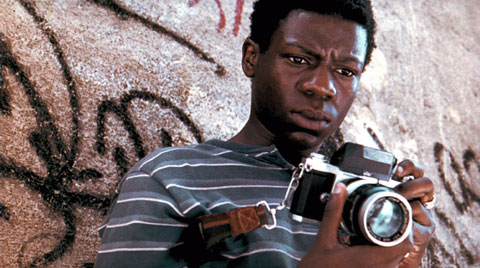
Our narrator and moral center in the story, Rocket. The gentle young man's presence adds one of the many unique elements to this tale of gang violence.

However, it’s not just the rise-and-fall formula that makes this film great. There is such a novel blend of elements that it really defies any direct comparisons. Yes, it’s like Goodfellas, but it’s very different from it, as well. Yes, it’s like Once Upon a Time in America, but it’s very different from it, as well. You can go on and on like this, with every great gangster film and how City of God bears some similarities, but incomplete ones.

The most obvious unique element is the narration and perspective of Rocket. Usually, if a gangster tale has a narrator, it is someone who is “inside” the action – either a crook such as Henry Hill in Goodfellas or a police officer such as Donnie Broscoe in that eponymous film. Rocket, though, provides us with a rather average, admittedly unheroic onlooker who seems to report all, without every really judging. The fact that he’s eminently likable and gentle makes him the perfect teller of this otherwise brutally violent story.

The characters and acting are absolutely amazing. From the affable Rocket and Bennie, to the psychotic Li’l Dice/Ze, to the tormented Knockout Ned, every character commands your interest. They’re either funny, friendly, quirky, or just plain frightening. Even when the friendships or relationships might seem a bit strange, such as that between Li’l Ze and Bennie, the actors sell them so well that you completely buy into them. The range required by some of the parts was well-met by all of the Brazilian actors who played them, all of whom I know only from this film.


The young Li'l Dice (later 'Ze') and his right-hand man, Benny. Every actor, including the young kids, brings such life to his or her role that it's impossible not to feel the authenticity behind the story.

Another one of the rather special elements of the movie is the setting. Sure, there have been gangster movies set in run-down areas of the world, such as the projects of 1930s and 1940s New York City in Sergio Leone’s Once Upon a Time in America. But those places were often thoroughly stark, grim, dominating places that overpowered all the denizens within. In City of God, the titular slum neighborhood has a very distinct look and feel, compared to other gangster films, especially in the beginning. Yes, the homes are project housing, and yes, they eventually become a dank maze of interconnected shantytowns. And yet, there are several scenes in which Rocket and some of his friends go a little ways outside of the slum and go to the beach. And the beach is beautiful enough to make you find religion. This grand contrast between the natural beauty so close at hand just makes the oppressive poverty and violence of the City that much more palpable.

If I had to gripe about the film, only two minor things come to mind. One is that the filming style employed is very often the hand-held “guerrilla” style of cinematography, mixed with some very fast editing cuts. The effect can be rather dizzying at times; something that I’m not a big fan of. However, this really didn’t detract from my enjoying the movie much at all.

The only other “gripe” is almost not a gripe at all so much as an unfortunate fact – I don’t speak Portuguese. As such, I’m sure that I often missed some of the humor conveyed through certain characters’ choices of words or tones. Usually, the greatest gangster films feature outstanding dialogue. The Godfather, Goodfellas, Miller’s Crossing, and even the classic White Heat all have some of the most memorable give-and-take exchanges in film history. When a film isn’t in a language I understand, I always feel like I miss out on a little something.


Subtitles are fine and good, and the tranlations for City of God seem to be excellent, conveying plenty of the humor and intensity. Still, there's never any beating being able to understand the original language.

Just one caveat to those thinking about seeing this movie for the first time – it is quite violent, though not in any gratuitous way. I feel about the violence in this movie the way that I do about any historically-based crime film – it’s actually necessary to show it so that we viewers can see the true, horrifying results of the real-life actions in the film. Still, if you don’t have the stomach for it, you may just want to pass on this one. If, however, such things don’t turn you off of these kinds of films, do yourself and favor and watch it soon.

Upon Further Review (Some additional thoughts after a bit of research)

Interestingly, there doesn’t seem to be a wealth of information about the facts upon which City of God is based. There are a few interesting tidbits, though.

One is that the film is based on the 1997 novel of the same name. The author, Paulo Lins, used his own experiences in the real-life City of God favela and the real gangsters of the time and place to craft the tale. The book is a novel; as such, it takes creative license with some of the facts. Still, many of the people and events are real. This is evidenced by some of the actual news footage that is shown during the closing credits of the film.


Matheus Nacthergaele, portrayer of "Carrot," and the only actor in the film with any known experience. He's great, but the performances by all of the locals are amazing.

It’s interesting to note that aside from the actor who played Carrot, all of the players were complete amateurs. Many of them, in fact, were denizens of either the real City of God or one of the other favelas around Rio. Considering this, it’s amazing that the performances were so organic and natural.

A final disturbing point related to the inspiration for The Runts – the group of pre-pubescent kids who kill Li’l Ze and end the movie by talking through a list of other people who they want to kill. Apparently, this final scene was based on a real group putting together a very real hit list while on the set of the movie. For safety purposes, the film crews decided to dedicate some funds to moving the actors out of City of God. This was to prevent them from being victimized by The Runts, and to give them a better opportunity at life.

That’s a wrap. 101 shows down; 4 to go.

Coming Soon: The Lord of the Rings: The Two Towers (2002)


Little dudes mixing it up with big dudes, who mix it up with some even bigger dudes. All in a dream-world of magic!! And oh yeah – talking trees. That’s pretty cool.

Please be sure to pick up all empties on the way out.

Sunday, August 28, 2016

Gangster Flick Binge Overview: 30 Years in the Making

If you've happened across this blog much over the last couple of years, you've probably noticed a few of those "Gangster Flick 3-Pack"s posted. While I do appreciate a good gangster movie, I wasn't watching so many of them out of random compulsion. Instead, I was working my way through the book which my in-laws gave me for Christmas - The Ultimate Book of Gangster Movies by crime flick enthusiasts George Anastasia and Glen Macnow. Before getting this fun little gift, I thought I had seen a lot of gangster films, so imagine my surprise when I looked over the authors' list and found that I hadn't seen over half of the movies listed. It even included several which I had never even heard of. Not one to back down from such a list, especially in a genre which I enjoy, I started to work my way through.

Now that I have watched every movie on their list, I feel the need for a recap. The authors did actually rank all of their selections in the following order (I've provided links to any of the movies which I have reviewed at some point):

7. The Departed
8. Donnie Brasco
9. The Usual Suspects
10. Casino
12. Once Upon a Time in America
13. Leon: The Professional
15. Reservoir Dogs
16. Scarface
20. Carlito's Way
22. Gangs of New York
24. Sexy Beast
25. Road to Perdition
26. Get Shorty
27. Rififi
28. The Untouchables
29. Eastern Promises
30. The French Connection
35. In Bruges
39. Lock, Stock, and Two Smoking Barrels
43. True Romance
45. M
46. Angels with Dirty Faces
51. Mesrine
53. Snatch
58. Jackie Brown
59. Heat
60. Bugsy
64. Bullets Over Broadway
72. American Me
75. The Godfather, Part III
80. Mafioso
86. Ghost Dog: The Way of the Samurai
90. The Killer
91. Gloria
92. El Mariachi
94. New Jack City
95. Bound
98. Made

Rather than get into a hyper-detailed rundown of how I might reorder their rankings, I'll just cluster these 100 films into a handful of groups, inspired by the greatest gangster movie of all time (I put Anastasia and Macnow's original rankings in parentheses):

"Don Vito Corleone" Group:

The top of the pyramid. These are the ones that I feel are incredible. They are films which I have already seen multiple times or will happily watch again in the future. Even if I may not feel the need to watch them again, their greatness and influence simply cannot be refuted:

The Godfather (1); The Godfather, Part II (2); Goodfellas (3); On the Waterfront (4); Pulp Fiction (5); Donnie Brasco (8); Casino (10); Leon: The Professional (13); Reservoir Dogs (15); Bonnie and Clyde (19); Road to Perdition (25); The French Connection (30); City of God (32); The Long Good Friday (34); Pepe le Moko (36); A History of Violence (37); Miller's Crossing (40); True Romance (43); A Prophet (44); Get Carter (48); The Big Heat (49); Jackie Brown (58); Heat (59); The Killers (71)


"Always a Capo, Never a Don" Group:

The Clemenzas and Tessios of the gangster movie world. These are the ones that do a lot of things well but have an annoying flaw or two which I can't completely ignore. I also include movies that may have once been great but have suffered the misfortune of being slightly worn down by time. They're solid, reliable movies that I either have or likely would watch again, but they are a bit short of being among the very best:

Little Caesar (6); The Departed (7); The Usual Suspects (9); Once Upon a Time in America (12); Mean Streets (14); White Heat (17); A Bronx Tale (18); Carlito's Way (20); The Public Enemy (23); Sexy Beast (24); Get Shorty (26); Rififi (27); The Untouchables (28); Eastern Promises (29); American Gangster (33); In Bruges (35); Lock, Stock, and Two Smoking Barrels (39); Infernal Affairs (41); Underworld, U.S.A. (42); M (45); Dinner Rush (47); Midnight Run (50); Mesrine (51); Snatch (53); Animal Kingdom (55); Drunken Angel (56); Kill the Irishman (57); Layer Cake (62); The Asphalt Jungle (63); Bullets Over Broadway (64); Salvatore Giuliano (65); State of Grace (66); Atlantic City (68); Let Him Have It (69); American Me (72); The Roaring Twenties (74); Al Capone (76); King of New York (77); Mafioso (80); Sonatine (82); Dillinger (83); Little Odessa (84); At Close Range (85); Ghost Dog: The Way of the Samurai (86); Lucky Number Slevin (88); The Killer (90); Bound (95); We Own the Night (96); The Yakuza (97); Brother [Brat] (99); The Freshman (100)


"Luca Brasi" Group:

The movies that can serve a simpler appetite for some gangster cinema, but are somewhat limited in their scope and what you can expect from them. It may be due to poor aging or a few misguided choices by the creators, but these ones' merits are almost overshadowed by their flaws:

Scarface: The Shame of a Nation (11); The Pope of Greenwich Village (21); Gangs of New York (22); The Petrified Forest (31); The Friends of Eddie Coyle (38); Angels With Dirty Faces (46); High Sierra (52); The Killing (54); Bugsy (60); Key Largo (67); The Valachi Papers (70); Analyze This (73); Charley Varrick (78); Federal Hill (79); Point Blank (81); The Joker is Wild (87); El Mariachi (92); Year of the Dragon (93); New Jack City (94)


"Fredo" Group:

Sure, Fredo might have ostensibly been a "gangster", but he was clearly far, far out of his depth. The movies in this group are those which I found very difficult to make it through, even once. If there was a redeeming quality or two, I had to work especially hard to find them. Whether due to age, shifting tastes, or the authors' completely different sensibilities from my own, I'm not even sure why these ones were considered among the "100 greatest" by Anastasia and Macnow:

Things Change (61); The Godfather, Part III (75); Prizzi's Honor (89); Gloria (91); Made (98)

All told, Anastasia and Macnow put together a good list. While I suspect that there are some foreign gangster movies which the writers may not know of, they did include a decent amount of crime movies from abroad. Whenever I go through a list like this, my goal is always to try and find a few gems which I had never seen or heard of. Such was the case here. There were seven  standout discoveries for me: Pepe le Moko, A Prophet, The Big Heat, The Killers, Mesrine, At Close Range, and The Yakuza. Sure, I had to sit through a fair number of mediocre or downright unpleasant movies, but finding those seven were worth it.

That wraps up this little obsessive compulsive movie-watching task. On to the next ones...

Sunday, January 8, 2012

Film #70: Aguirre, der zorn gottes (1972)


Title for us English-speaking types: Aguirre, The Wrath of God

Director: Werner Herzog

Initial Release Country: Germany

Times Previously Seen: once (about 8 year ago)

Teaser Summary (No spoilers)

Small crew of conquistadors & slaves search for El Dorado. One of them goes batty, much to the dismay of the rest.

Extended Summary (More complete plot synopsis, including spoilers. Fair warning.)

Peru, 1560. The conquistador Pizarro is in the middle of his search for El Dorado, the fabled “City of Gold”, which is rumored to be hidden deep within the Andes. However, with supplies running short, Pizarro decides to split his group, sending a scout group of forty farther down the river to find El Dorado. The leader of the group is the noble Don Pedro de Ursua, with Don Lope de Aguirre given second command. Joining them are a handful of other conquistadors, several Spanish soldiers, about a dozen indigenous slaves, Ursua’s wife, and Aguirre’s daughter.

The scout group heads downriver, but things soon go awry. One of the rafts is caught in an eddy, and most of the men aboard are mysteriously slaughtered overnight while the rest of the crew sits unaware on the opposite bank. Ursua wants to bring the dead men back to main camp for a Christian burial, but Aguirre circumvents this plan by having a crony sink the raft and dead men before anyone can retrieve them. Thus begins Aguirre’s usurpation of the group.

The buffoonish Don Guzman, unwittingly about to be "elected" as "Emperor of El Dorado".

Over the coming weeks, the expedition unravels. Aguirre heads a mutiny, puts Ursua in chains, and nominates the bloated Spanish noble Don Fernando Guzman as their new leader. Guzman, however, is merely a proxy for Aguirre’s ever-growing mania. Obsessed with obtaining glory and power, Aguirre and his reluctant followers draft a declaration of independence from Spain. The group dubs Don Guzman as “Emperor of El Dorado” and the Spaniards begin dreaming of laying claim to the untold hoards of gold somewhere in the mountains.

As the treasure-seekers continue, their numbers are gradually reduced. A few men are killed by cannibals, silently sniping them from the river banks with arrows. The river rises to a point that their rafts cannot reach the land. Their food dwindles, and their spirits wane. Don Guzman himself is eventually found dead on their raft. With their “Emperor” gone, the few remaining in the crew are at the mercy of Aguirre’s ever-deepening mania. He has Ursua hanged and demands that they press on towards El Dorado. When one of the Spanish soldiers plots to escape and return to Pizarro, Aguirre immediately has his head cut off.

The crew drifts on for several more weeks. Their food supplies become exhausted and they are gradually laid low by disease and delirium. Just at the point when the few survivors are in the final stages of starvation, they are attacked by the natives a final time. Arrows take down nearly all of them, including Aguirre’s daughter. Aguirre, now fully insane, imagines himself and his now-deceased daughter not only finding El Dorado, but building a world-sweeping empire together. He stands alone on the corpse-laden raft, stuck against the shore, as dozens of tiny monkeys swarm around him.

For a bafflingly exhaustive synopsis, check out imdb’s link here.

Now thoroughly lost in his own dementia of grandeur, Aguirre preaches to the only thing left living.

Take 1: My Gut Reaction (Done after this most recent viewing, before any research.)

Aguirre, Wrath of God is a really impressive film, though not in very obvious ways.

Since making this movie, director Werner Herzog has solidified his reputation as an adventurous, film-making wild man, whose prime theme is nature’s indelible power over humanity. Through his dramatic films and, more recently, his brilliant documentaries, he has explored Mother Nature’s inescapable impacts on humans. In the relatively early work, Aguirre, he explores how natural forces can crush even the most powerful, driven, and maniacal impulses of mankind. It’s fascinating and disturbing to watch.

Visually, Aguirre may initially seem a touch amateurish. When compared to similar films such as The Mission or Black Robe, the camerawork seems shaky. However, it’s merely a function of hand-held technique, and I actually enjoyed the documentary type feel that it lends the tale. I got the sense that this is probably about as accurately as someone could portray these events from several centuries ago, giving an “if you were there” feel to it all. By the end, the little jolts and wavering of the camera angles enhanced the mounting chaos surrounding the expedition.

The disintegration of the conquistadors makes for compelling, if depressing, cinema. The more level-headed and righteous Don Ursua is subdued with disturbing ease by the quietly ruthless Aguirre. Almost as warped is the compliance of the accompanying monk, Brother Carvajal, who readily admits early on that “the church has ever been on the side of the strong”. The remaining Spaniards, dreaming of gold and glory, are willing to overlook Aguirre’s obvious psychosis so that they may lay claim to the chimerical treasures said to lie farther down the river. One could look at all of this as allegory, which can be fun, but it’s plenty interesting enough in and of itself.

The rather un-Christan Brother Carvajal, one of the majority who choose to chase Aguirre's mad dreams for power and glory.

Most viewers, myself included, would have to admit that some of the supporting acting is a bit shoddy. Fortunately, it hardly matters, as the primary roles are done well. Of course, the title role of Aguirre himself is key, and Klaus Kinski is amazing. His frog-like, protruding eyes and wide mouth. The wildly off-kilter shoulders and strange gimp. These physical deformations belie the dementia-driven ambition that lies within the obsessed would-be conqueror. Often with little more than an intense stare, Kinski’s Aguirre wills nearly all those around him into doing his bloody bidding. It’s absolutely mesmerizing, and Kinski draws your eyes in virtually every scene.

Amid the intense and brutal exploits of the Spaniards are the eerily quiet moments of the western Amazonian rain forest. As the rafts float along the river, the latent power of the whole environment is palpable. As the film progresses and the crew is gradually laid low, it becomes clear that they never stood a chance. Their cannons and rifles may have given an advantage over some of the primitive cannibal tribes that they encounter, but ultimately the locals and the jungle wipe out the invaders. Perhaps most interesting is that, while the “conquerors” failed tragically in their quest to subdue the land and its people, the land and its people quash the interlopers with nary a bat of the eye. Aguirre and his crew’s grand ideals for power and immortality amount to little more than an insignificant nuisance, if even that, to their destroyers.

As you can tell, this is not exactly a popcorn movie. One probably should not expect to be “entertained” by it. At only a little over 90 minutes, though, it is not a massive time commitment, and there’s plenty of beautiful, natural imagery juxtaposed with the brutality. I would recommend that everyone watch it at least once, for it offers a great perspective on humanity’s place in the natural world. The themes in Aguirre, though expressed in a setting nearly five centuries old, are just as poignant today.

Take 2: Why Film Geeks Love this Movie (Done after some further research.)

How much fact? How much fiction? Anyone who watches a “historically based” movie has to wonder this. The answer in the case of Aguirre, The Wrath of God is a mix. Herzog did use a few historical accounts about a real expedition involving some of the men and women portrayed in the film. However, Herzog streamlined and refashioned them to keep the film tighter. The reality is actually more terrifying. The historical Aguirre did attempt to lead a revolt against Spain. Rather than meet his fate in the middle of a Peruvian river, though, he set up on an island off the coast of Venezuela. His vainglorious attempt to overthrow the Spanish crown ended with his men deserting him for pardons and Aguirre being captured, drawn and quartered, but not before he killed his own daughter.

As if the film rendition of the psychotic Don Lope de Aguirre weren't terrifying enough, the actual man was probably even more frightening.

Herzog’s modified film version is what any maverick film-maker seeks: a monumental piece of art made on a laughable budget. Herzog made this film on a measly $350,000, but he showed how vision and talent can overcome such financial limitations. While not released in the U.S. for several years after its unveiling, Aguirre was an instant critical success around the world. In the forty years since, its stature has only grown. Some of the most heavily and obviously influenced films to follow Herzog’s basic template are: Apocalypse Now, Predator, The Mission, and The New World. I’ve seen the first three, and though they are vastly different from one another, I love them all.

There are no real surprises when it comes to why this movie is so lauded. In this 1999 review, Roger Ebert does a nice job capsulizing the merits that virtually all other professional reviewers see in not only this movie, but many of Werner Herzog’s others.

Probably the most fascinating thing to learn about this movie is the borderline insanity of lead man Klaus Kinski. If you read the Ebert review referenced above, you get some of the tales. An even more complete list of Kinski’s Grade-A whack-job antics is here at wikipedia, including his shooting off an extra’s finger, and basically scaring the living hell out of everyone on the set. Herzog used this to the film’s advantage, allowing Kinski to have his volcanic temper tantrums, run out of energy, and then film the desired scene. The result is magic. By adding the odd limp to his stride, coupled with his own very real, smoldering anger, Kinski as Aguirre is a frightening sight to behold.

By the end, this is all that's left of the men's hopes of reaching the Lost City of Gold.

That’s a wrap. 70 shows down. 35 to go.

Coming Soon: Day for Night (1973):


Another film that I know nothing about, aside from what it says on the sleeve of the DVD. Come on back in about a week to see what I think about this French film.

Please be sure to pick up all empties on the way out.

Thursday, March 3, 2011

Film #51: Les Quatre cents coups (1959)

Title for Us English-Speaking Types: The 400 Blows

Director: Francois Truffaut

Initial Release Country: France

Times Previously Seen: once (about 10 years ago)

Teaser Summary (No spoilers)

French adolescent eases down a slippery slope from bad student to petty thief.

Uncut Summary (Full plot synopsis, including spoilers. Fair warning)

In 1950s Paris, fourteen-year-old Antoine Doinel is the proverbial bee in his teachers' bonnet. He shirks his studies and mocks the instructors whenever he gets the chance. One day, after mouthing off and defacing a classroom wall, Antoine is given an extra writing assignment for French class. None too pleased, he heads home.

Just one of several times Antoine gets into hot water at school.

At home, we see that Antoine lives in an apartment tiny enough that its narrow rear entry hall doubles as Antoine's “bedroom”. His parents, though not abusive, seem to treat Antoine as much a nuisance as their only child. His young, beautiful mother harps on his poor grades and behavior at school, and his father, while a pleasant office clerk, is as interested in his auto racing club as anything else in his life. Antoine's life seems to consist of little more than the criticisms of his teachers and the mundane bickering of his parents.

Having not done his punishment homework the night before, Antoine is afraid to return to school the next morning. His equally irascible buddy, Rene, convinces him to ditch class, swipe some cash from his parents, and roam the city. The two partake of the usual hooky activities of the 1950s – a movie, pinball, and junk food. While traipsing about, Antoine runs across his own mother, who happens to be with a man not her husband. After the brief glimpse of each other, Antoine and his mother swiftly head in opposite directions. That night, Antoine's mother tells her husband that she's working late, leaving Antoine and his father to have a semi-pleasant evening together.

The next morning, it's time to pay the fiddler. Antoine knows that he has to show up at school, despite not having a note from his parents. When firmly questioned by his teacher, Antoine claims that he was absent because his mother has died. While this shocks the teacher into penitence and sympathy for Antoine, the ruse only lasts for a few hours. Antoine's parents show up before long and go ballistic, along with his teachers.

Unable to deal with the constant hassling, Antoine decides to run away from home. He sleeps in a factory that Rene knows of for a night and ditches school the next day. After a day of panic, he is found and his mother finally shows some form of repentance. In a quiet moment, she offers Antoine a bit of a bribe if he will return to school and bring up his grades. Antoine makes the attempt, but is foiled when he attempts of plagiarize a short story from famed French author, Honore Balzac. The teacher easily detects the cheat and calls out Antoine once again.

On the lam with his cohort, Rene, Antoine indulges a bit.

This is, indeed the last straw for Antoine. Punished yet again, he takes the first opportunity to run away once more. This time, he and Rene raid Rene's wealthy and separated parents' petty cash and live it up for a time. When the money and food run out, Antoine steals a typewriter from his father's office. When they can't fence it, Antoine tries to return it to the office. He gets caught, though, and is dragged by his parents to a government office.

At the government office, Antoine's mother concedes that she is unwilling to deal with her son anymore. She turns him over to the state to be placed in a sort of correctional facility for troubled boys. At the camp, Antoine gives an interview to a psychologist in which we learn that he had already spent several of his younger years with his grandmother since his mother did not want the trouble of raising him. We also learn that, even when he tells the truth, no one believes him; therefore, he sees no reason to bother with it.

After a short time in the camp, during which Antoine undergoes the same cycle of scrutiny/slip-up/punishment that he has always known, he dashes out of the camp during a recreational soccer match. Antoine eludes his pursuers for a time and eventually makes it to the shore, where he stops and turns back. Thus ends the story of the boyhood of Antoine Doinel.


Take 1: My Gut Reaction (Done after this most recent viewing, before any research on the film):

I enjoyed this movie more than the first time I watched it, but that may not be saying much.

When I first saw The 400 Blows, I was about 25 years old and didn't have much knowledge of either more artistic or international films. I suspect that this was why, back then, I found this movie to be slow and lacking any clear punch. After a succeeding decade, during which I've learned to be more patient and enjoy slower stories with something deeper to impart, I can now appreciate such movies much more.

Still, I have to say that I was not blinded by the supposed brilliance of this movie.

Like many other films of its standing, I cannot deny the artistic merits of the movie. Director Francois Truffaut attained exactly what he sought with outstanding skill. On top of that, it's a different sort of crime story. Rather than follow the hackneyed path of sensationalism, Truffaut is far more subtle. Most tales that attempt to tell the “creation of a criminal” story will make the external forces clearly manipulative and overtly despicable. Whether it's Scorsese's Goodfellas or the great Brazilian film City of God, the environments that create the criminals are so obviously poisoned by poverty, gangsters or a host of other deleterious influences, that the viewer has no trouble following how a character becomes a hardened felon.

With The 400 Blows, however, Antoine is not pulled, but rather ever-so-gently nudged into his larcenous life as a reluctant rebel. The negative components are disturbingly commonplace: a teacher who is not tyrannical, but just short-tempered enough to prevent Antoine's academic growth; a mother who is not abusive, but just negligent enough to deprive Antoine of the unconditional love he seeks; a father who is not uncaring, but who is just self-involved enough to deprive Antoine of the fatherly guidance that he needs; and a society that is not toxic, but just apathetic enough to allow Antoine to slide, ever-so-gradually, through the cracks. It's the blending of these very authentic aspects and their affects on a troubled child that set this film apart from others, and is clearly it's greatest strength.

Here's a clip of highly dubious quality, but it shows one of the most engaging scenes in the movie - Antoine is in the government's compound for socially maladjusted youth. He's being interviewed by the center's psychiatrist:


On top of the plot's elemental alchemy, the filming itself cannot be overlooked. I'm far from well-versed in film technique, but I imagine that a person would have a difficult time in criticizing any of the technical points of The 400 Blows. The story flows very well, the dialogue and acting are pitch-perfect in conveying the necessary realism, and the directing and camerawork are outstanding. Many of the settings are stunning and quite memorable.

Still, I shall most likely never watch this film again. While all of the above points are wonderful merits that will assure this film's place in cinema history for many decades to come, in the end, I feel that this film is a piece of art more to be studied by film academics and students than to be enjoyed by the common viewer (clearly, I count myself in the latter group). It's tragedy of the slow-burn variety, and while it's not without some humor, it ends up being a rather depressing affair. In short, while it wasn't exactly a chore to watch, I feel that there's nothing else that subsequent viewings can offer me.

There it is. For my part, I don't know if I can recommend this movie to too many people. Perhaps if you are looking for a very well-crafted tale of a young, semi-likable French rascal's slow descent into delinquency, this will clearly be for you. Or, for those who are looking to delve deeper into film history and technique, The 400 Blows will surely offer a treasure trove of lessons. For the rest of you who like your movies a bit quicker, flashier, and perhaps more imaginative, you may want to steer clear.

Take 2: Why Film Geeks Love This Movie (Done after some further research):

There's one curious thing in digging through some essays on this movie. Every one of them makes key the fact that the movie is highly autobiographical. Apparently, Truffaut himself went through many of the things that Antoine Doinel did in his movie. I suppose that this goes no small way in producing the authenticity of the tale and the emotions portrayed.

And yet, this brings up a much larger issue in terms of art. Why should it matter to me, or any viewer, just how fictional or factual a story is? I could very well go on an extended rant on this, but I shall rein myself in. Suffice it to say that I was highly surprised to find that so many professional film analysts and critics seemed to focus on the mere fact that Truffaut was telling a story that was his own in many ways. To me, the focus should be the film itself, independent of any connection it may or may not have to any sources.

The end result is that, in my relatively limited searching, I found less critical analysis of the film and more lauding of Truffaut and his life as a young man. This did me little good. The analysis I did find did confirm my own feeling about the movie, though: that it was very well-acted and offered a tale very different from what had been shown to larger audiences before its arrival. It is, in fact, considered one of if not the first great “French New Wave” movies, a genre that would define much of 60's cinema.

The 400 Blows was an immediate success, wowing critics the world over and garnering several major awards. This is no mean feat, as it was Francois Truffaut's first feature film. He would go on to make a few more movies on Antoine Doinel, chronicling his later life. I have to say that, while I certainly have no overt problems with Doinel's story, I am unlikely to seek out the subsequent films in the series.

While it loses its emotional impact when watched on its own, here's the oft-discussed, iconic final few minutes of the film. If you want to see the most famous image, just watch the last 20 seconds:


That's a wrap. 51 shows down, 54 to go.

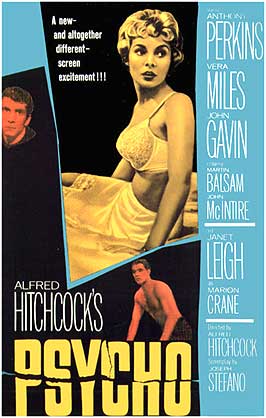
Coming Soon: Psycho (1960)


Oh, yes! The suspense movie that changed the genre forever! I've only seen it once, though I don't remember being exactly blown away. Maybe I'll be more impressed on this second go-round.

What's that? Yes, Mother, I'm coming...

Please be sure to pick up all empties on the way out.

Thursday, June 29, 2017

Idiot Boxing: Supernatural, season 12 (2016-2017); One-Punch Man, season 1 (2015)

The boys get their mammy back in this season. Mary
Winchester's return met some mixed response from fans of
the show, but I thought she was fine, if not exactly the
strongest secondary character we've ever seen on the show.
Supernatural, season 12 (2016-2017)

In its dozenth (I just made that a word) season, Supernatural maintains a steady pace, if not exactly reaching the heights of its peak years in seasons 2 through 5.

At the end of season 11, Sam and Dean had once again thwarted Earth's destruction, this time by reuniting God with his long-lost sister, The Darkness. This sent the sibling deities off into the sunset, also leaving behind Sam and Dean's mother, whom God had resurrected as thanks.

Season 12 sets things up fairly quickly. Lucifer has managed to get out of his cage once again. However, being rather weak, he is hopping from one human vessel to the next, wreaking any havoc that he can in a rage against not having his father, God, around to torment any more. As Sam and Dean try to track down Satan, they also meet members of the British Men of Letters, who combat monsters using much more calculating and unforgiving methods. As the Winchesters first deal with the Men of Letters, Lucifer manages to impregnate a woman with what is known as a "Nephilim" - a half-angel/half-human abomination which has the potential to destroy everything on Earth. These two primary plot points converge when the British Men of Letters decide to exterminate all American hunters just as Lucifer escapes his bonds and attempts to oversee the birth of his unholy son.

This season was a decent one that is among the stronger batch of the post-season 5 bunch. That said, my enthusiasm for the show has waned enough that I'm not completely sure that I'll go out of my way for next season. Perhaps only now, after a full seven seasons which have failed to fully return to the excitement that I had during the show's outstanding first five, I think I'm ready to turn the page and leave it behind. Part of this is because this season was actually solid, by its own standards, but still wasn't enough to stoke complete enthusiasm in me.

Having Lucifer as one of the primary villains this season was
not the most inspired choice. It also didn't help that he was
written a bit more for comedy than the power and menace
that made him such a strong force back in earlier seasons
of the show. 
This season saw the return, utilization, and even unfortunate deaths of some strong side characters. There were a few hunters whom we've seen before, including the banshee-hunter Eileen and the witches Alicia and Max Banes. Seeing such capable and fun characters show up is reminiscent of early seasons when we had great characters like Rufus and Gordon. This season also featured a handful of gutsy, unexpected turns in the plot, in which characters were killed or perhaps simply didn't play the roles which one might have expected. And as always, there was a decent amount of humor sprinkled throughout.

And still, some quintessential elements continue to be lacking. Using Lucifer as a primary nemesis again simply feels like treading water and going over old ground. And not doing it particularly well. The original incarnation of Lucifer was such a fantastic, slow-burn over the course of nearly three seasons, and it had no small amount of menace and tragedy surrounding it. And when the Morning Star was finally able to appear in his full glory, there was a terrifying power to it. Now, however, Lucifer is often not much more than a sarcastic counter-point to Crowley. Sam Pellegrino can certainly play snarky and sarcastic very well, but I've never felt that it was the best fit for the original vision that this show had of Lucifer - one of the most calculating, powerful, and awesome figures in the entire mythology. This season simply uses him mostly as another comedy piece, for the most part.

This is one of a few signals to me that the show-runners are spinning their wheels a bit. Yes, they are doing it well in ways that are usually true to the main characters and that are often satisfying to long-time fans. But the show doesn't seem to be willing to push any more boundaries or really shake anything up anymore. Because Misha Collins and Mark A. Shepperd are attractive presences, they are simply never going to be killed off (even when their characters have deserved it time and time again). These and some other aspects of the show have become, in my view, just stale enough that I may just leave it alone from this point.


He's not exactly the most intimidating hero, but Saitama's
domination has bored him into an apathy usually reserved
for teenagers and French philosophers.
One-Punch Man, season 1 (2015)

I haven't watched a Japanese anime series in ages. Back in my high school and college days, I absolutely loved the classic movies like AkiraFist of the North StarVampire Hunter D, and several others. And when I lived and worked in Japan for a couple of years, I used the popular kids' show One Piece to improve my Japanese language skills to an extent. That was nearly 15 years ago now, and I haven't watched an anime TV series since. So imagine my surprise when the ol' Netlflix algorithm kept suggesting this unknown mini-series from the Land of the Rising Sun.

Less than two minutes into the first episode, my attention was firmly grasped. By the end of the 23-minute pilot, I was chomping at the bit to convince my wife, who enjoys the odd anime show here and there, to watch it with me the next day. She did, and we were both fairly well hooked.

The show follows Saitama, a virtually unstoppable force of heroism. Thanks to rigorous training, Saitama has acquired strength and speed that allow him to fell the mightiest of evil foes with literally no more than a single blow. Sounds great, right? Well, Saitama's problem is that his domination over the forces of evil has done nothing to assuage the deep depression and apathy which he feels. For him, defeating a 500-foot tall, city-destroying monster is no more satisfying than eating a bowl of tepid ramen for breakfast. Herein lies more than a little of the show's humor. As he effortlessly crushes immensely powerful enemies, Saitama is often mentally checked out and lost in existential musings about the purpose of it all. He sometimes even spends these short, one-sided battles lamenting the fact that he has missed a sale at his local grocery store, or pondering some other mundane daily task.

This aspect of the humor runs through other elements of the show, as well. One-Punch Man relishes the opportunity to parody and mock the many silly tropes of fantasy superhero (and especially anime) stories. Whether it's the exhausting expositional monologues, the tired origin stories, or characters calling out the names of their signature "super moves" while in the middle of combat, the barely-engaged Saitama has no time for any of it. His effortless and apathetic domination of foes who are putting in maximum effort to both fight and posture only frustrates his enemies all the more, providing yet more solid humor.  Series creator and writer, known only as "One," uses the show to perfectly balance his love of anime tropes with wonderfully lampooning the silly names, costumes, and braggadocio almost always found in the genre.

Saitama, with just a few of the oddball and even sometimes
cool heroes he baffles with his inexplicable strength and
utter lack of posturing.
Much to my delight, there is actually a really entertaining, rollicking arc to the show. It's not completely tight or serialized, but there is continuity from one episode to the next, and it culminates in a three-episode multi-parter that builds towards some really fun fights between heroes and monsters of various freakish abilities. It actually gave me flashbacks to when I would watch those aforementioned classic anime movies from the '80s and '90s and really enjoy the epic battle scenes between fantastically powered beings.

This was a great find, and one I'd recommend to anyone who's ever enjoyed anime. I'm not completely sure of how the second season (already announced) could live up to this first one, but I'm more than willing to tune in and find out.

Monday, June 15, 2015

Before I Die #546: Nosferatu: Phantom of the Night (1979)

This great poster from the original U.S. release in
1979 has a great caption at the top. It suggests many
of the singular themes of the movie.
Original German Title: Nosferatu: Fantom der Nacht

Director: Werner Herzog

Scary, but not in a traditional horror movie sense. It is, despite being a remake, a visionary movie, however you look at it.

In 1979, maverick German director Werner Herzog decided to make a modified version of the 1922 horror masterpiece Nosferatu: A Symphony of Horror by F.W. Murnau, a director whom Herzog greatly admires. The resulting film, though certainly faithful in many basic ways, bears many of the very best hallmarks of Herzog's finest movies.

It's worth looking at the two primary background sources for Herzog's version.

The novel Dracula by Bram Stoker was a tremendous hit upon its publication in 1897. Even if you have never read the book, you may know the original tale from Francis Ford Coppola's commendable film adaptation in 1992. Centuries-old Count Dracula of Transylvania was an immortal vampire whose prolonged life was fueled by the regular consumption of human blood. The original story sees this diabolical character descend upon London, England, as he seeks to literally leech off of the populace.

In 1922, German director F.W. Murnau sought to do a silent film adaptation of this classic horror tale. However, since Murnau could not acquire the rights to the novel, he simply altered the name of the title character - Dracula becomes "Orlok" - and followed the basic story. However, his alterations were equally striking and genius. Stoker's novel often presents Count Dracula as a stylish, debonair creature which is able to shift his appearance and demeanor in order to seduce his prey. Murnau's Count Orlok is a ghastly creature whose mere appearance is enough to strike fear into both fellow characters and us viewers. His deathly pallor, long and sharp claws and teeth, and bald pate give him the appearance of the ghoulish vampire that he is.

It was this major change to the arch vampire's physical appearance which Herzog most obviously emulated from Murnau. However, Herzog did not stop there. Even more than Murnau, Herzog presents Orlok as a creature both terrifying and pitiable. The utter loneliness of immortality, as well as the isolation of being a uniquely despicable inhuman, are on full display in the 1979 version. The pall of death that follows Orlok wherever he goes can almost be taken as a supernatural extension of his depression and despair. When seen this way, the rash of plagues and deaths that follow Orlok to the big city carry a slightly different weight. It all makes for a film that is more engaging and challenging than a tale that relies on more primal suspense and terror.

When it comes to the finer detail in the movie, I feel that it can be a bit uneven. There are elements of pure genius, such as Jonathan Harker's initial journey to Orlok's castle. His lonely trek across the countryside builds an amazing sense of quiet, slowly mounting doom. Also, the scenes of plague and death in the capital city carry the same visual power as the strongest scenes in Herzog's brilliant Aguirre, The Wrath of God. And of course, Orlok's appearance is just as hideous as in the 1922 original. Herzog film mainstay and all-around wack-a-doo Klaus Kinski was the perfect casting choice.

Would you be as composed as Harker looks in this scene?
I sure wouldn't, with that thing pouring my wine.
However, not all elements hit the mark to me. The reactions of certain characters to Orlok were often oddly subdued. The most notable is Jonathan Harker. While Harker is a tad taken aback by Orlok's appearance, villainous posture, and predatory actions, he often seems relatively blase. The same goes for certain other characters, resulting in an inconsistent emotional tone at times. These are, however, smaller details amidst what is an exceptional horror film.

For those who haven't seen it, you should not expect anything resembling most modern, popular horror movies. There is less use of darkness, shadows, or horror movie cliches that accompany them. On the contrary, a surprising amount of the film features vibrantly colorful scenery, sets, and costumes, often filmed in broad daylight. This all makes for a creepy openness about the horrors in Nosferatu: Phantom of the Night, which makes it all the more unique and fascinating.